


Sushi Master






Sushi Master
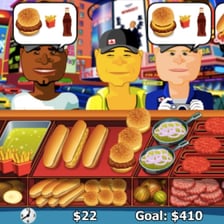
Sushi Master is a sushi shop run from behind the counter. Customers come in, each one names a dish, and you assemble it from the ingredients in front of you and hand it over before they lose interest.
It sits between the two usual sushi shapes. It is not a quiet rolling game where one mat is the whole screen, and it is not a full restaurant where you walk between tables. The recipe is short enough to read at a glance and the pressure comes from the queue rather than from the dish.
That makes it a reasonable first sushi game: the ingredients are few, the order is legible, and the only thing you have to get used to is serving while the next customer is already waiting.
How to play Sushi Master
Behind the sushi counter
- Read the order above the customer. It names the dish, and the recipe for it is fixed, so recognising the dish is most of the work.
- Assemble in the order the recipe gives. Rice goes down before anything that sits on it.
- Serve as soon as the plate is right. A correct dish handed over late scores less than the same dish handed over promptly.
- Keep an eye on who came in while you were building, because the queue is where the difficulty lives.
Controls
Click or tap an ingredient and then the plate. It plays on a phone as well as a computer.
Tips and strategy
Learn the four or five recipes rather than reading each ticket from scratch, because recognition is faster than reading and the queue does not wait. When two customers want the same dish, build both at once. Serving a wrong plate costs more than the seconds you saved by hurrying.
More games like this



Last updated
Frequently asked questions
Is Sushi Master free?
Yes, free in the browser with no account and no payment, on a phone or a computer.
Does Sushi Master work on a phone?
Yes. It is an HTML5 build, so tapping does everything a mouse does.
Do I need to know anything about sushi?
No. Each order names the dish and the recipe is fixed and short, so the game teaches the handful of combinations it uses.
Is it timed?
There is no clock, but each customer has patience, so the pressure comes from the length of the queue rather than from a countdown.